
Feedback
AI Ad Video Example
Loading...
MiniMax H3 prompt
Craft a MiniMax H3 prompt that turns plain ideas into 2K video with stereo sound — timed beats, camera notes, and audio cues made simple.
All Tools
Discover our comprehensive AI-powered animation toolkit
MiniMax H3
MiniMax H3 AI Video Generator
Seedance 2.5
The Future of AI Video Is Here.
Seedance 2.0
The Future of AI Video Is Here.
Kling 3.0
Next-Gen AI Video Generator
Grok Video Generator
Create Videos from Text or Images with AI
MiniMax H3 video generator
MiniMax H3 AI Video Generator
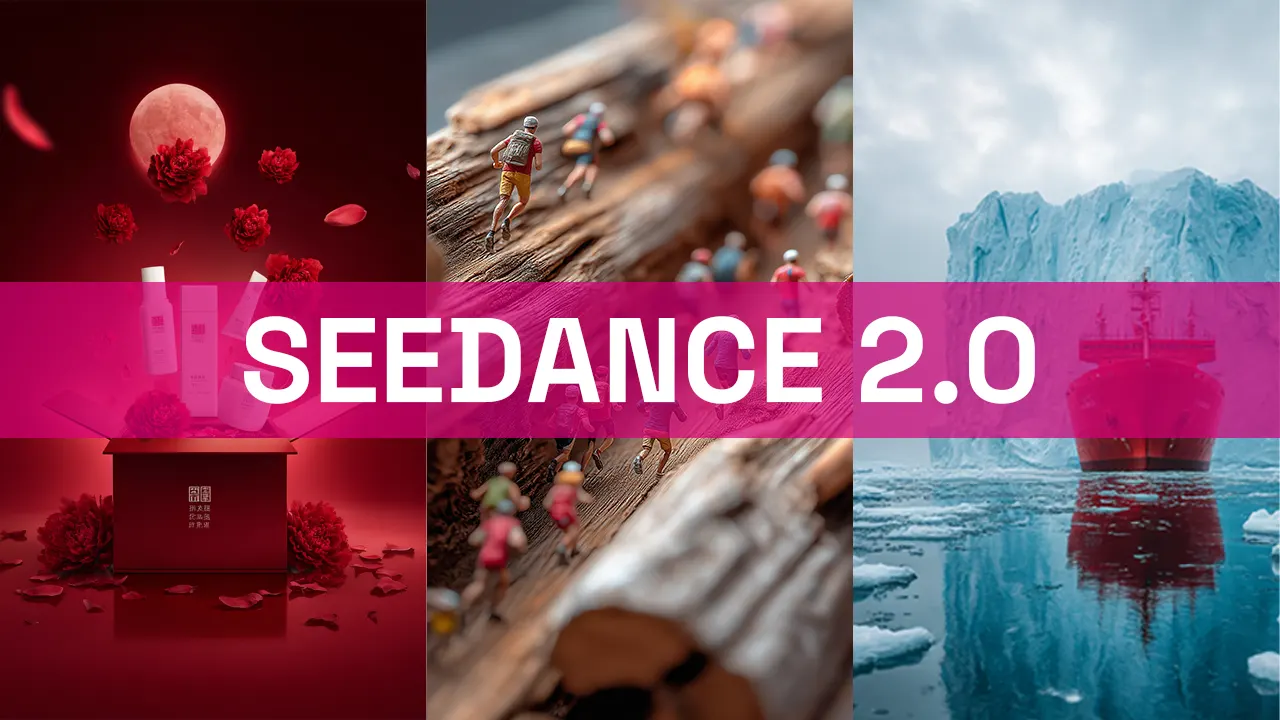
Seedance 2.0
The Future of AI Video Is Here.
Gemini Omni
Gemini Omni Video Generator
Turn One MiniMax H3 Prompt Into a Full Scene
The MiniMax H3 prompt guide walks you through writing structured instructions for an open-weight, general-purpose multimodal video model that returns 5-15 second, 2K, 24fps clips with native stereo audio. Each request accepts up to 7,000 characters, so you can define what every reference asset is for, map out timed beats, describe lens and sound choices, and hold a character's look steady from the first frame to the last.
- Give Every Reference a JobThe single habit that changes everything: spell out in your MiniMax H3 prompt what each image, clip, or audio file contributes — mood, performer, product, visual style, or voice.
- Beats Split by the SecondSlice a multi-shot sequence into [0-2s] and [2-4s] windows inside a single prompt, so the result plays like a film instead of a slideshow.
- Sound Design, SpecifiedWrite music structure, effects, and cloned voices with the same care you give the visuals — sub-bass, hi-hats, foley, and line timing all noted in the prompt.
How to Write a MiniMax H3 prompt
Build a professional-grade prompt in four moves and walk away with 2K footage that already has its audio in place.
Core Techniques for a Stronger MiniMax H3 Prompt
Best practices drawn from the guide — reference roles, timecoded shot lists, audio direction, negative prompts, identity locking, edit constraints, cinematic language, and event-based transitions — the toolkit behind precise, professional video generation.
Say What You Don't Want
The guide also teaches exclusion — 'no soft dissolves', 'no garbled characters', 'no sudden jolts' — so the model steers away from results you would throw out anyway.
Keep Characters and Products Fixed
Name the details that define a character, product, or setting in your prompt — hair, wardrobe, props, typography — and they survive every cut.
Pair Each Edit With a Constraint
When changing a shot, state alongside the replacement what must stay untouched, so you get a local fix rather than a full regeneration.
Borrow the Language of Cinema
Talk about shot scale, lens behavior, exposure, and film texture — handheld shake, rack focus, wide-angle distortion, grain — straight inside your prompt.
Describe Cuts as Physical Motion
Frame transitions as actions — a whip pan, motion blur, optical smear, exposure flicker — which lands far better than simply naming an effect.
Room for 7,000 Characters
A whole shot list plus sound design fits into a single MiniMax H3 prompt — scene, timed shots, audio, and constraints sent together in one request.
MiniMax H3 prompt — FAQ
Answers to the questions people ask most about writing prompts for the MiniMax H3 video model.
What is the MiniMax H3 prompt guide?
It is a collection of best practices for prompting MiniMax's open-weight multimodal video model. Inside, the MiniMax H3 prompt guide covers reference roles, timecoded shot lists, audio direction, negative prompts, identity locking, and cinematic language for 2K video with native stereo audio.
How long can my prompt be?
Up to 7,000 characters — room for a complete shot list with timed beats, camera moves, audio design, and constraints in one prompt.
How do I handle multiple reference assets?
Give every asset a defined purpose in the MiniMax H3 prompt — 'Image 1 for mood, Image 2 for the performer, Audio 1 for the voice' — with support for up to 9 images, 3 video clips, and 3 audio files per request.
Do I need to describe the audio?
Absolutely — plan sound the way you plan a scene. Note the music structure, when instruments enter, foley details, and dialogue lines so the model's native audio tracks match your edit.
How can I keep a character consistent?
Anchor identity by listing defining features — hair, wardrobe, props, and setting details — in the MiniMax H3 prompt, then repeat them across every timed beat and cut.
What should I leave out of a prompt?
Loose pacing and styles you don't want. Use timecoded blocks rather than slideshow-style sequences, and add negative directions to filter out unwanted elements.
Write Your First MiniMax H3 prompt Now
Turn the MiniMax H3 prompt guide into finished footage — 2K video with native stereo audio, timed shot lists, reference roles, cinematic camera language, and precise sound direction, all from one request.